Dungon Wall
Follow a coral-covered slope into a beautiful wall environment where reef fish, lionfish, eels and smaller marine creatures make this one of Puerto Galera's varied local dives.
From Coral Slope to Wall
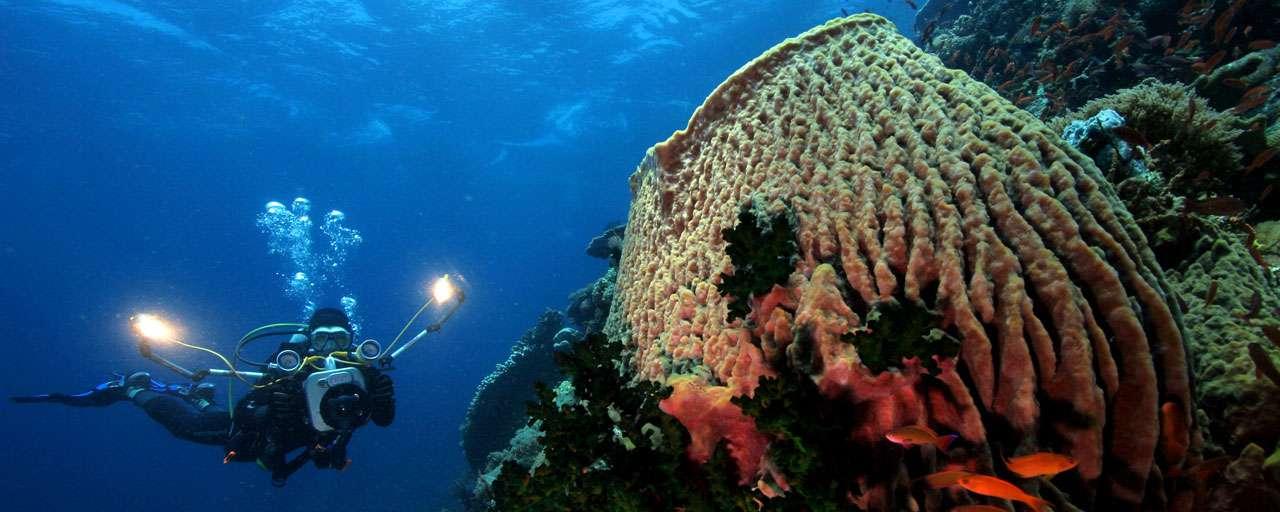
Dungon Wall begins with sloping underwater terrain before developing into a more defined wall section.
This transition gives divers different scenery during the same dive and creates habitat for both reef fish and smaller marine creatures.
Soft and hard corals can be found along the terrain, while cracks and sheltered sections provide places for eels, lionfish and other reef inhabitants.
What Makes Dungon Wall Interesting?
The changing underwater terrain gives divers plenty to explore without relying on a single feature.
Sloping Entry
The dive begins over gradually descending terrain before reaching the wall.
Wall Scenery
Explore vertical and steeper reef structure covered with marine growth.
Soft & Hard Corals
Different coral communities contribute color and texture throughout the dive.
Macro Subjects
Look closely for nudibranchs and other small creatures along the wall.
Deeper Features
More experienced divers may encounter deeper features depending on the selected route.
Photography
Wall scenery and smaller marine life provide both wide-angle and macro opportunities.
Marine Life at Dungon Wall
Local dive operators regularly describe Dungon Wall as a site with both visible reef residents and smaller creatures worth searching for.
Lionfish are among the commonly reported inhabitants of the site.
Look into reef openings and sheltered areas where eels may be resting.
Careful observers may find well-camouflaged scorpionfish blending into the reef.
Colorful macro subjects may be found along suitable wall and reef surfaces.
Pygmy seahorses are among the special smaller subjects occasionally reported here.
Tropical fish add constant color and movement around the coral-covered terrain.
Who Should Dive Dungon Wall?
The site can involve a wide range of depths, and some operators classify it as an advanced-level dive.
The shallower parts may allow a different profile from the deeper wall and wreck areas, but the actual dive plan must match certification, experience and conditions.
Divers considering deeper portions should be comfortable with depth control, buoyancy and the planned profile.
Dive plan should match certification and intended depth.
Deeper sections are better suited to more experienced divers.
Good buoyancy is important when exploring wall terrain and photographing small subjects.
Your dive guide decides the appropriate route based on conditions and the group.
Photography at Dungon Wall
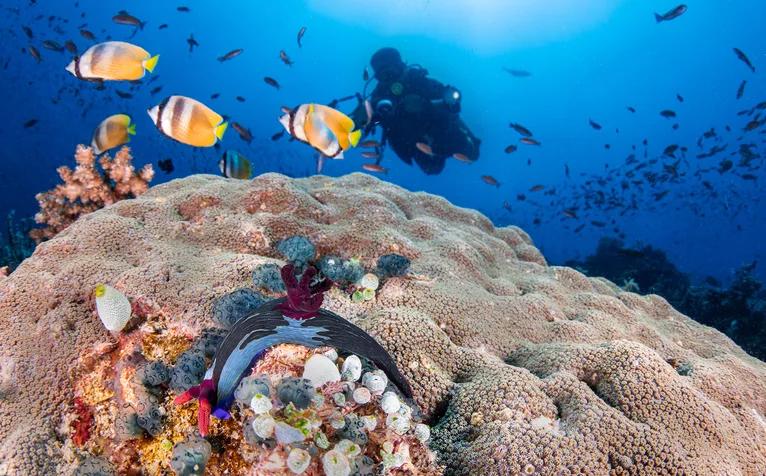
Dungon Wall can appeal to both wide-angle and macro photographers.
The wall itself can provide strong underwater compositions, while lionfish, nudibranchs, scorpionfish and tiny subjects reward a closer look.
Diving Dungon Wall Safely
Wall dives make depth awareness and buoyancy particularly important.
Watch Your Depth
Walls can make it easy to descend deeper without noticing.
Maintain Buoyancy
Stay neutrally buoyant without contacting coral or wall surfaces.
Monitor Your Gas
Deeper dive profiles require careful awareness of gas consumption.
Respect the Reef
Avoid touching corals or moving animals for photography.
Follow the Guide
Current and conditions can affect the chosen route.
Dive Within Your Training
Do not extend into deeper sections simply because they are available.
Explore More Puerto Galera Dive Sites
Combine Dungon Wall with nearby reefs, walls and current-influenced dives.
West Escarceo
Explore colorful coral terrain with the potential for current-driven diving.
Explore West Escarceo →The Canyons
Step up to one of Puerto Galera's more famous advanced current dives.
Explore The Canyons →Want to Dive Dungon Wall?
Tell us your Puerto Galera dates, certification level, number of logged dives and how many divers are traveling.