

Hole in the Wall
Swim through one of Puerto Galera's distinctive underwater rock formations and continue along current-influenced reef terrain filled with tropical marine life.
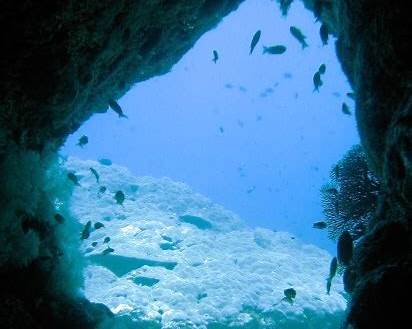
A Dive Site With a Memorable Feature
Hole in the Wall takes its name from a natural underwater opening in the reef structure.
Passing through or around the feature gives the dive a sense of progression before divers continue along the surrounding reef.
Current can influence the dive significantly, so the exact route and whether the opening is used should depend on conditions and the group.
What Makes Hole in the Wall Interesting?
The site combines a memorable rock formation with classic Puerto Galera reef diving.
Natural Opening
The underwater hole gives the site its name and makes the dive immediately recognizable.
Reef Terrain
Explore coral-covered and rocky sections surrounding the formation.
Current
Moving water can turn the dive into a more energetic drift experience.
Marine Life
Reef fish and other tropical species can gather around the surrounding terrain.
Photography
The rock opening can provide an interesting underwater composition when conditions allow.
Adventure
The combination of terrain and current creates a different feeling from a simple reef slope.
Marine Life Around Hole in the Wall
Exact sightings vary, but current-influenced reef environments can support active and varied fish life.
Tropical fish provide color throughout the reef and rock formations.
Moving water may bring groups of fish together along the reef.
Larger reef fish may be encountered around deeper or more structured areas.
Look into suitable cracks and reef openings for resident morays.
Slower portions of the dive can still reward divers who inspect the reef closely.
Remember to look into open water when current is bringing more activity through the site.
Who Should Dive Hole in the Wall?
The answer depends heavily on the current. In easier conditions, the site may be relatively straightforward for appropriately certified divers.
When current strengthens, however, divers need greater comfort with buoyancy, group awareness and moving-water diving.
Passing through a rock opening also requires good control and enough awareness to avoid contacting the reef.
Should match the depth and conditions of the planned dive.
Good control is especially important near the rock opening.
More valuable when water movement is stronger.
The dive professional decides whether the route is appropriate.
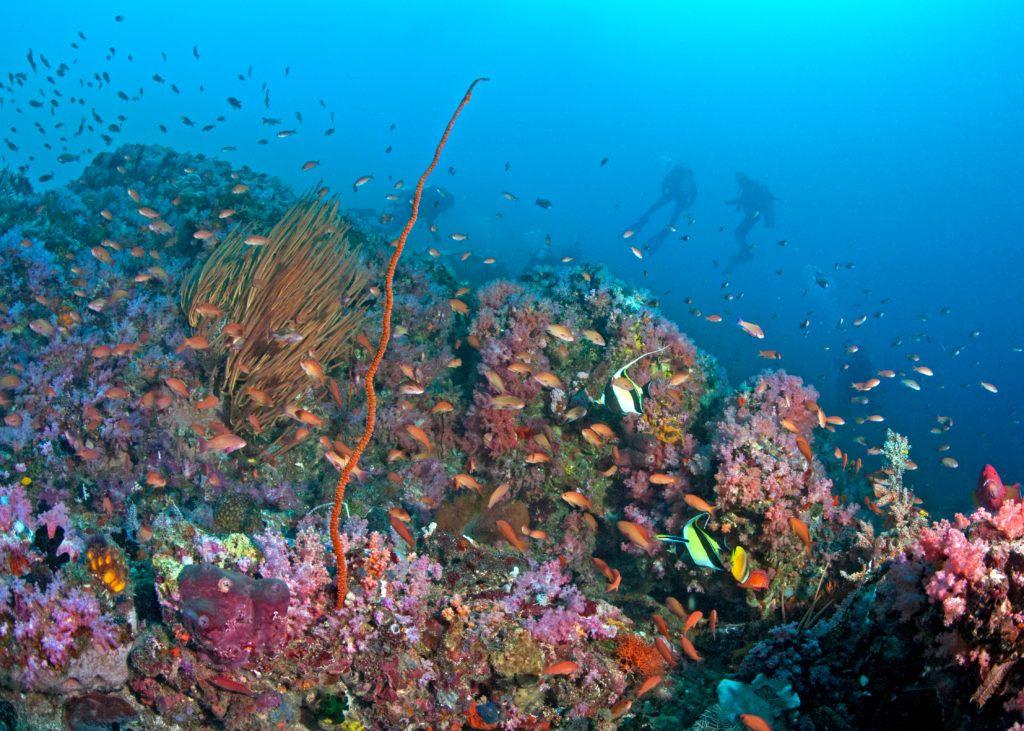
Photography at Hole in the Wall
The natural rock opening can create one of the site's most recognizable underwater compositions.
Divers may also find interesting reef scenery and fish activity before and after the feature.
Dive Hole in the Wall Safely
Good buoyancy and awareness matter more when divers are moving near reef structures.
Follow the Briefing
Know whether the plan includes passing through the opening or around it.
Maintain Buoyancy
Avoid contact with the walls of the opening and surrounding reef.
Stay With the Group
Current can make separation more difficult to correct.
Don't Fight Current
Follow the guide's route rather than wasting energy trying to hold position.
Watch Your Depth
Stay within the agreed profile as terrain changes.
Know Your Limits
The opening is optional. A safe dive is more important than passing through a specific feature.
Explore More Escarceo-Area Diving
Hole in the Wall can be combined with other current-influenced Puerto Galera dive sites.
West Escarceo
Explore a gently sloping coral reef with variable current and abundant marine life.
Explore West Escarceo →The Canyons
Continue into one of Puerto Galera's best-known advanced current dives.
Explore The Canyons →Want to Dive Hole in the Wall?
Tell us your Puerto Galera dates, certification level, number of logged dives and whether you are comfortable diving in current.